Blythe, CA
Get Life Insurance Options With the Workings Shown in Blythe, CA
We explain how term life and whole life insurance work, which inputs move a policy's price and what applying involves, for people in Blythe, CA, Ripley and Ehrenberg. Once you are ready, share some basic details through our short form, and an agent licensed in California reaches out with options you can weigh on your own schedule.
- Nothing to sign today
- A brief set of questions
- Every term defined
- Decide on your timeline
Coverage options for Blythe families
Answer six short questions and a licensed agent will follow up with options that fit your situation.
- Takes about two minutes
- No obligation to buy
- Your details stay private
Free, no obligation
See your coverage options
Six short questions. About two minutes.
Two Kinds of Policy, Two Different Jobs
Two kinds of policy cover most of what people come here to weigh. Term life runs for a fixed span of years, usually picked to match something that ends, like a home loan or the stretch until the youngest child is grown, and when the span is over the coverage stops. Whole life is meant to stay in force for your lifetime and builds cash value; the agent you are matched with can explain how that part of the policy works. The Term Life Insurance and Whole Life Insurance pages give each one its own detail.
Term Life Insurance
Coverage for a set number of years, often 10, 20 or 30, sized to the debts and income your family relies on until a known end date.
Whole Life Insurance
Whole life coverage lasts for the rest of your life and builds cash value. See what it is for and which questions to bring to the agent.
How We Treat Your First Questions
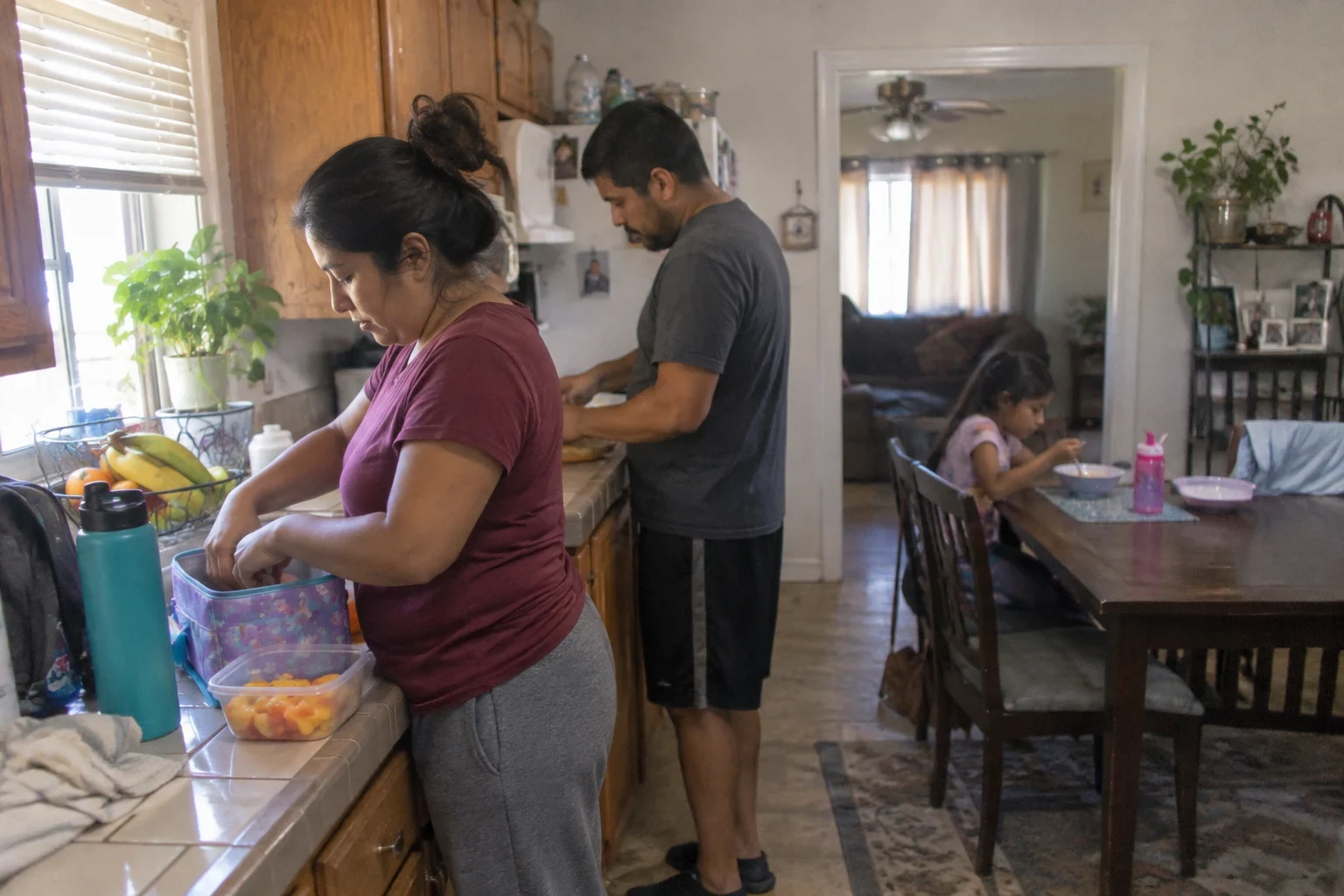
We start the way a good neighbor would: explain how things fit together, answer what you actually asked and leave the choice in your hands.
Words defined, with the reason
Terms like beneficiary or cash value come with a plain meaning and a note on why they matter. Learning that a term policy just stops when its years end, for instance, tends to change the length people pick.
One set of answers
You send your details a single time. The agent who reaches out starts from what you already gave, instead of asking for your birth date and coverage amount all over again.
No nudge toward more
We do not rank insurers, steer you to a policy or push the amount higher. Weighing what fits is between you and the agent; our job ends at the introduction.
Time to sleep on it
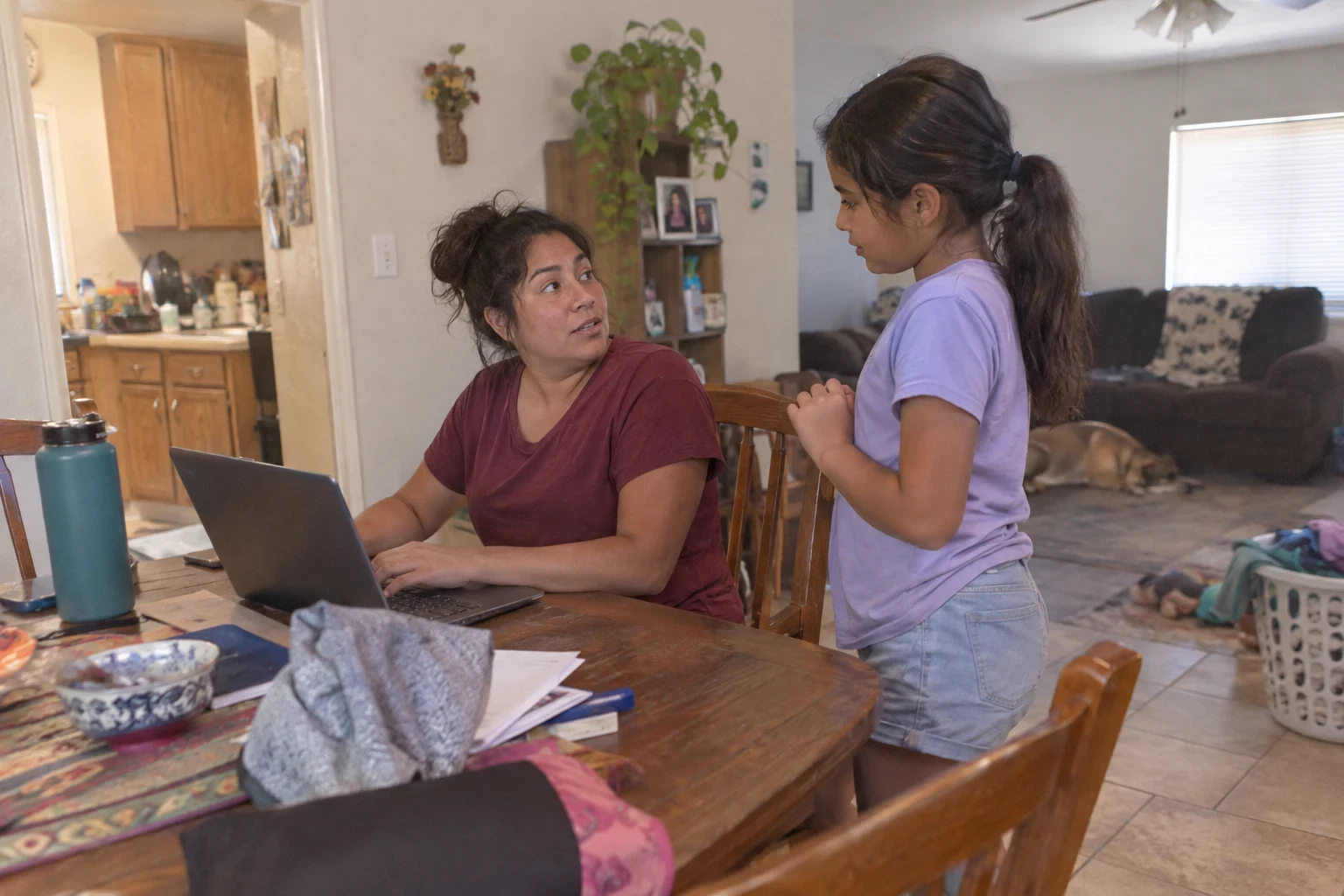
Nothing here expires at midnight. Read the policy pages, talk it through at the kitchen table and move ahead once the amount and the timing make sense to you.

What Life Insurance Blythe Is
Life Insurance Blythe is a free service with one job: connecting you with a licensed life insurance agent in California. We are not an insurance company and we are not an agent, so we never sell, price or issue a policy.
Our part is narrower than that. We explain the basics in plain words, the way a neighbor who had already been through it might over the fence, and then pass your answers to an agent who works your part of the state. The About page explains who you will hear from and how the details you share are handled.
Where We Connect People
We serve people in Blythe, Mesa Verde, Ripley, Ehrenberg, Quartzsite, La Paz Valley and Parker. Every visitor starts with the same short set of questions, and the inputs that shape a policy's price work the same way in each town.
- Blythe
- Mesa Verde
- Ehrenberg
- Ripley
- Quartzsite
- La Paz Valley
- Parker
The Service Areas page gives the full list along with what every visitor can count on.
The Inputs Behind a Policy's Price
A life insurance price is built from a short list of inputs, and the insurer weighs each one. We keep figures off this page because yours depend on your own answers. Here is what each input is and why the insurer pays attention to it.
Your price depends on your own answers and is set by the insurance company. The agent you are matched with can show how each input applies to you.
- Age on the day you apply
- Age is one of the first things an insurer reads, because it shapes how long the policy is expected to stay in force. Most policies are priced on your age at application, so the same amount costs differently at different ages.
- Health history
- The application asks about conditions, prescriptions and past treatment. Insurers treat these answers as their main evidence of risk, which is why an ongoing condition can change the price or the kind of policy on offer.
- Tobacco and nicotine
- Cigarettes, vapes and chewing tobacco usually put an applicant in a separate pricing class. The question is asked directly, and an accurate answer keeps the policy on solid footing later.
- Amount of coverage
- The price scales with what the policy would pay out. Deciding first what the money is meant to handle ties the amount to a purpose rather than a round number.
- Length of a term
- On term life, stretching the span over more years raises the price for the same amount. Coverage then reaches further into later life, when a claim is more likely, and the insurer prices that in.
- Kind of policy
- Whole life is built to stay in force for life and carries cash value, so its premium for a given amount generally sits above a term policy's. Term covers only the years you pick.
What People Ask Before They Start
Something not covered here? Ask us
Do I pay anything to use Life Insurance Blythe?
No. Using the service is free, and sending your answers does not bind you to anything. Money changes hands only if you later decide to buy a policy, and that price comes from your own application.
How do people arrive at an amount of coverage?
One rule of thumb people lean on starts with several years of income, then tops it up with any debts they would want cleared. Here is an example only: the Census Bureau's 2023 American Community Survey puts Blythe's median household income at $51,984 and its median home value at $203,800. A household near those numbers might multiply its income by five and add what is still owed on its home loan to reach a starting figure. With 60% of homes in town lived in by their owner, the mortgage line often matters. It is a rule of thumb, not advice for your situation.
Will my beneficiary owe income tax on a payout?
Under federal law, a payout to a named beneficiary is generally not taxed as income. Situations differ, so check with a tax adviser about your own case before relying on that.
What if I change my mind once the policy arrives?
Every policy includes a free-look period of at least 10 days. Cancel inside that window and your money comes back to you. The policy itself states the exact number of days, so read it alongside the names, the amount and the term.
What do people usually want life insurance to pay for?
The common reasons are replacing income a family relies on, clearing a mortgage, covering what children will need, paying for a funeral and leaving money to relatives. Most buyers have one or two of these in mind. Naming them early makes the amount and the length far easier to settle.
How do people choose between term and whole life?
Most start with how long the need lasts. A need with an end date, such as a home loan or the years of raising children, leads many people to term life, while wanting money left behind whenever death comes leads others to whole life. You make that choice with the agent; we do not favor one over the other.
What Applying Usually Looks Like
Getting to a policy follows a set order. Each stage below says what happens and who handles it.
- 1
Send your basic details
Use our short form to give your state, the amount of coverage you have in mind, your date of birth and how to reach you. It usually takes around two minutes.
- 2
A licensed agent reaches out
Someone licensed for your part of California contacts you, reviews what you sent and asks what the coverage needs to do. You get options to look over, and you can ask anything or say no to any of them.
- 3
Health questions, sometimes an exam
If you decide to apply, the application asks detailed health questions, and some policies add a brief medical exam. Policies without an exam exist too, though they usually cost more or cover less.
- 4
The insurer makes the call
An insurance company reviews the application, decides whether to offer coverage and sets the final price. If it says yes, you check every name and figure in the policy before you accept it.

Ready When You Are
Read through the policy pages first if you like. When you want to see what fits your plans, a few questions get things started.